Protease Activated Receptor (PAR)
Thrombin receptors
Protease activated receptors (PARs) are a family of G-protein-coupled receptors (GPCRs) that are irreversibly activated by proteolytic cleavage of the N terminus, which unmasks a tethered peptide ligand that binds and activates the transmembrane receptor domain, eliciting a cellular cascade in response to inflammatory signals and other stimuli. There are four members of the PAR family: PAR1, PAR2, PAR3 and PAR4. PARs have important functions in the vasculature, inflammation, and cancer and are important drug targets.
PARs are expressed on nearly all cell types in the blood vessel wall (ECs, fibroblasts, myocytes) and blood (platelets, neutrophils, macrophages, leukemic white cells) with exception of red blood cells. Thrombin-activated PAR-1, PAR-3, and PAR-4 are also expressed in epithelium, neurons, astrocytes, and immune cells. PAR-2, which is activated by trypsin-like serine proteases, is found in human vascular, intestinal, neuronal, and airway cells. Its expression increases in injured tissues or after stimulation by inflammatory mediators.
Protease Activated Receptor (PAR) Isoform Specific Products
All Product Categories
-
Protease Activated Receptor (PAR) Inhibitors
(23)
View all products
-
Protease Activated Receptor (PAR) Agonists
(40)
View all products
-
Protease Activated Receptor (PAR) Antagonists
(54)
View all products
-
Protease Activated Receptor (PAR) Activators
(11)
View all products
-
Protease Activated Receptor (PAR) Controls
(3)
View all products
-
Protease Activated Receptor (PAR) Substrates
(3)
View all products
-
Protease-activated Receptor Proteins
(4)
View all products
-
Protease Activated Receptor (PAR) Related Products (141)
Related Products (141)

-
Recombinant Proteins (4)
-
Protease Activated Receptor (PAR) Isoform Comparison
-
Trypsin
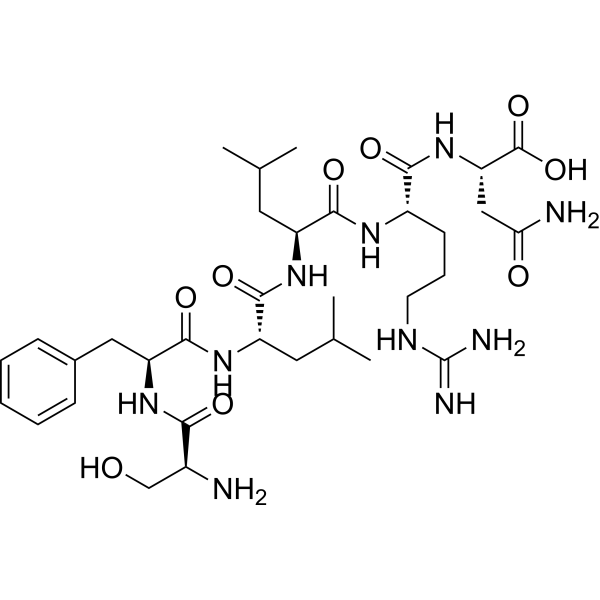
 0 ImagesTrypsin is a serine protease enzyme, and hydrolyzes proteins at the carboxyl side of the Lysine or Arginine. Trypsin activates PAR2 and PAR4. Trypsin induces cell-to-cell membrane fusion in PDCoV infection by the interaction of S glycoprotein of PDCoV and pAPN. Trypsin also promotes cell proliferation and differentiation. Trypsin can be used in the research of wound healing and neurogenic inflammation.
-
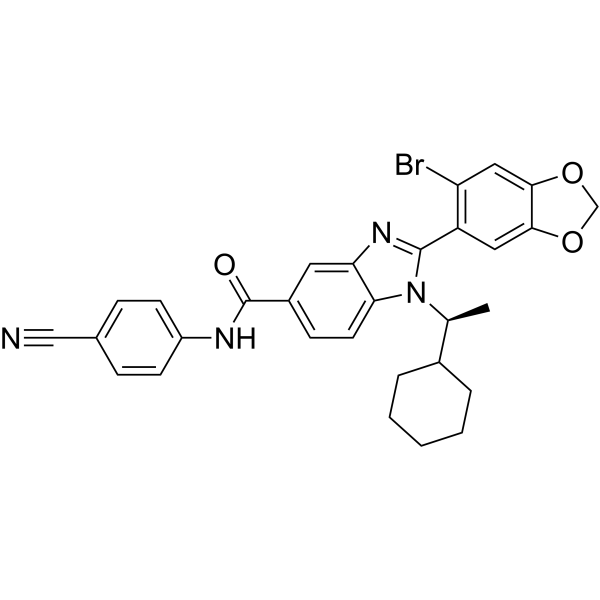
Vorapaxar
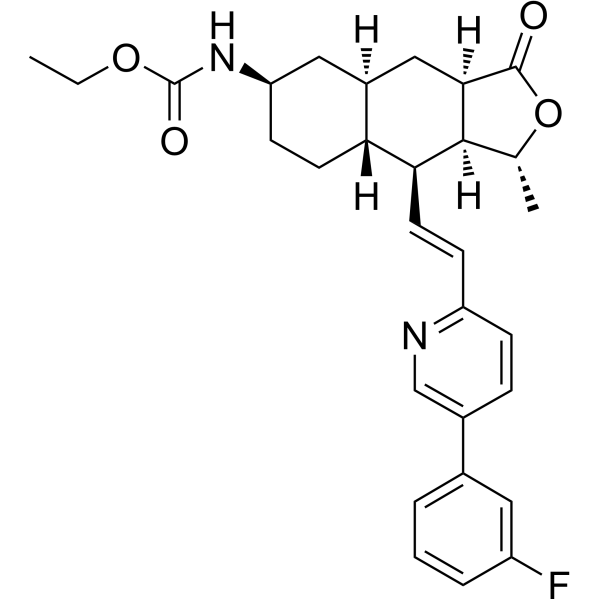 0 ImagesSynonyms: SCH 530348Vorapaxar (SCH 530348), an antiplatelet agent, is a selective, orally active, and competitive thrombin receptor protease-activated receptor (PAR-1) antagonist (Ki=8.1 nM). Vorapaxar (SCH 530348) inhibits thrombin receptor-activating peptide (TRAP)-induced platelet aggregation in a dose-dependent manner.
-
SLIGRL-NH2
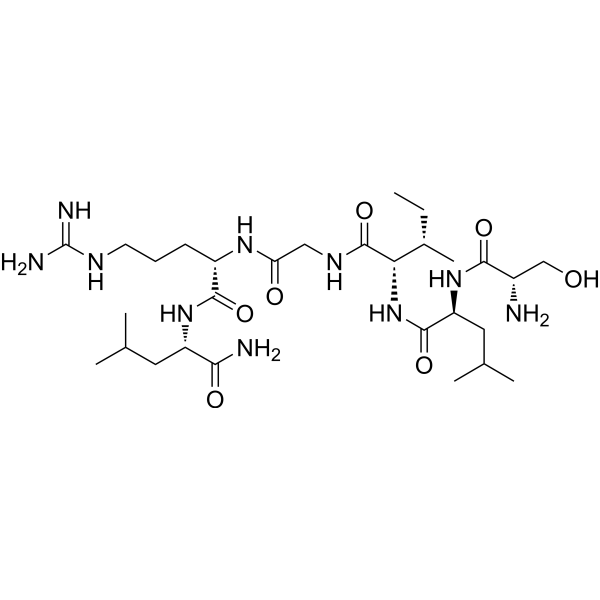 0 ImagesSynonyms: Protease-Activated Receptor-2 Activating PeptideSLIGRL-NH2 (Protease-Activated Receptor-2 Activating Peptide) is an agonist of Protease-Activated Receptor-2 (PAR-2).
-
TFLLRN-NH2
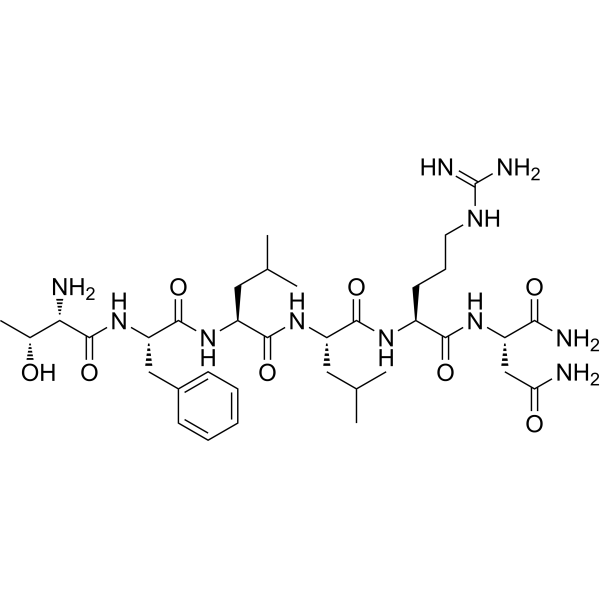 0 ImagesTFLLRN-NH2 is a PAR-1 peptide-selective agonist. TFLLRN-NH2 induces AMPK phosphorylation and attenuates LPS-induced osteoclastogenesis, NFATc1 expression, NF-κB activation, and IκBα degradation. TFLLRN-NH2 stimulates MAPK phosphorylation in hepatocellular carcinoma cells. TFLLRN-NH2 induces concentration-dependent contraction of isolated human renal artery rings, stimulates IL-6 release from human T cells, and also evokes intracellular Ca2+ mobilization in primary human renal tubular epithelial cells. TFLLRN-NH2 can be used in research related to hepatocellular carcinoma and acute lung injury.
-
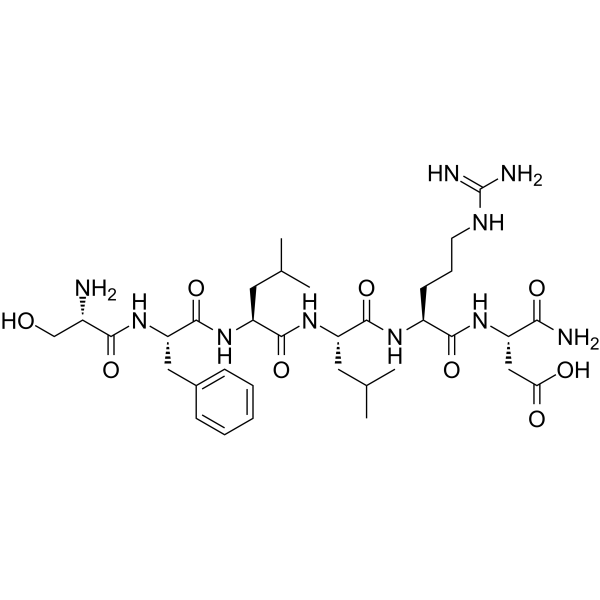
Bradykinin (1-5)
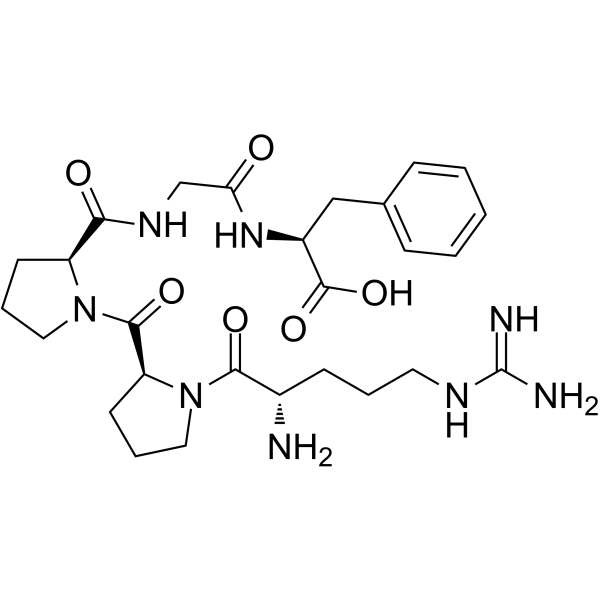 0 ImagesBradykinin (1-5) is a metabolite of Bradykinin (HY-P0206) and a PAR inhibitor that inhibits thrombin-induced platelet aggregation by preventing protease-activated receptor (Protease Activated Receptor) cleavage and inhibiting Thrombin (MW 37kDa) (HY-114164). Bradykinin (1-5) is used in research on thrombosis, carrageenan-induced pleurisy, nasal allergy, and hereditary angioedema.
-
Trypsin (MS grade)
 0 ImagesCat. No.: HY-129047ACAS No.: 9002-07-7Trypsin MS grade is a serine protease enzyme, and hydrolyzes proteins at the carboxyl side of the Lysine or Arginine. Trypsin MS grade activates PAR2 and PAR4. Trypsin MS grade induces cell-to-cell membrane fusion in PDCoV infection by the interaction of S glycoprotein of PDCoV and pAPN. Trypsin MS grade also promotes cell proliferation and differentiation. Trypsin MS grade can be used in the research of wound healing and neurogenic inflammation.
-
PAR-4 Agonist Peptide, amide
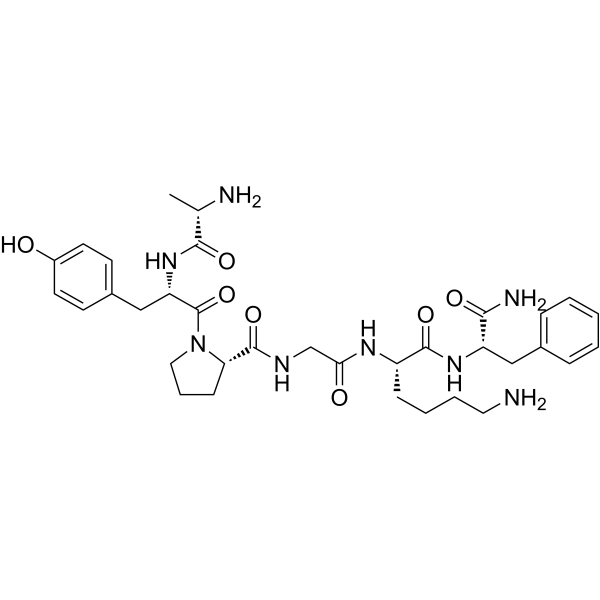 0 ImagesSynonyms: PAR-4-AP; AY-NH2PAR-4 Agonist Peptide, amide (PAR-4-AP; AY-NH2) is a proteinase-activated receptor-4 (PAR-4) agonist, which has no effect on either PAR-1 or PAR-2 and whose effects are blocked by a PAR-4 antagonist.
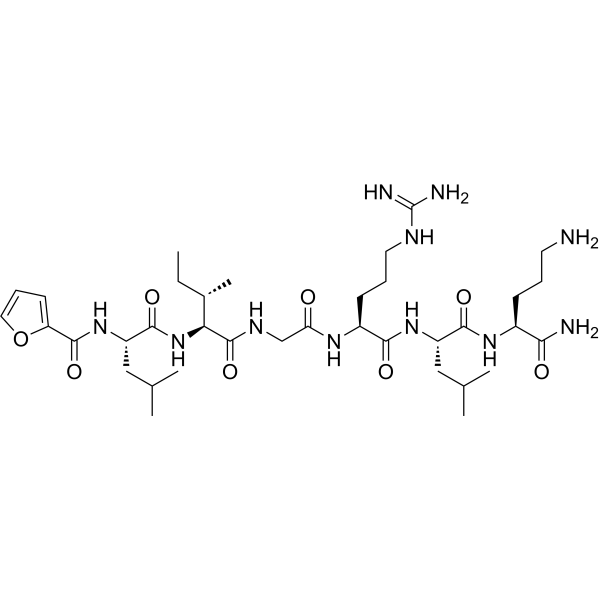
-
BMS-986120
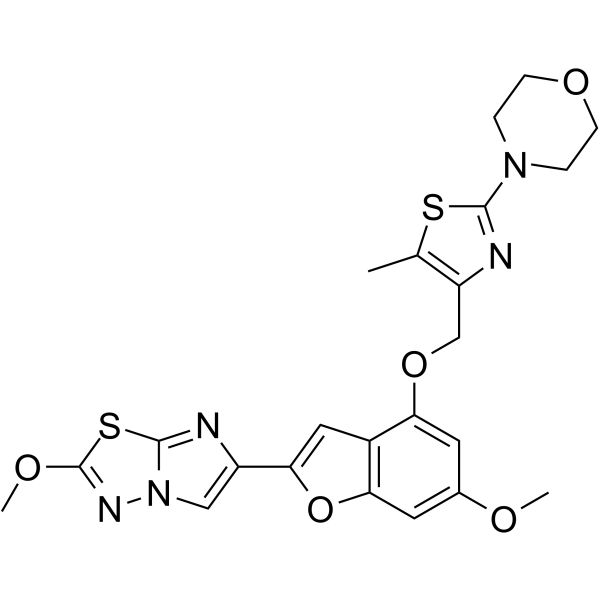 0 ImagesBMS-986120 is a first-in-class oral and reversible protease-activated receptor 4 (PAR4) antagonist, with IC50s of 9.5 nM and 2.1 nM in human and monkey blood, respectively. BMS-986120 has potent and selective antiplatelet effects.
-
PPACK TFA
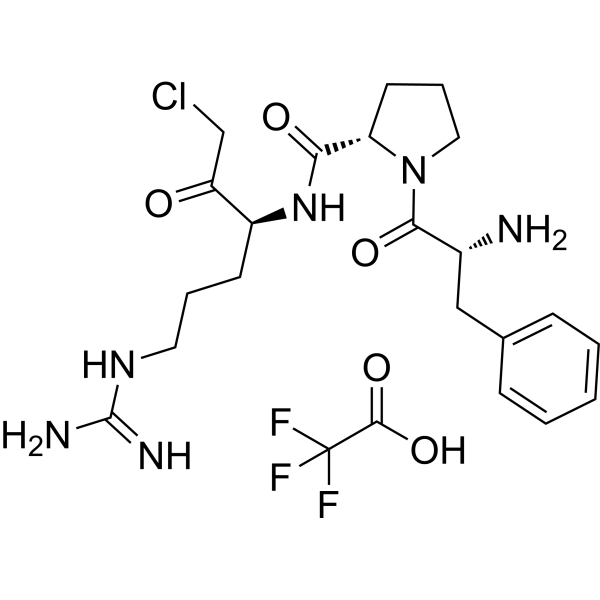 0 ImagesPPACK TFA is a potent, peptidic inhibitor targeting thrombin and granzyme GZMK. PPACK TFA specifically blocks the activities of thrombin and GZMK, thereby inhibiting thrombin-mediated PAR-1 cleavage, as well as downstream inflammatory and procoagulant signaling pathways. Through stabilizing IκB proteins, blocking NF-κB activation and reducing systemic levels of proinflammatory/procoagulant biomarkers, PPACK TFA exerts multiple effects including anti-inflammatory, antithrombotic, barrier repair, and inhibition of atherosclerotic plaque progression. PPACK TFA binds to platelets without interference from kininogen, effectively limiting acute thrombus growth and reducing eosinophil infiltration and goblet cell hyperplasia in asthma models. PPACK TFA is an important tool molecule for investigating the mechanisms of atherosclerosis, asthma and related thromboinflammatory diseases.
-
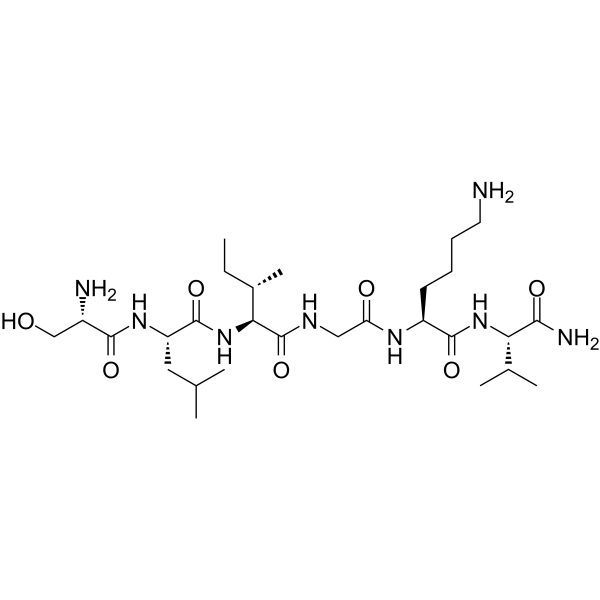
FSLLRY-NH2
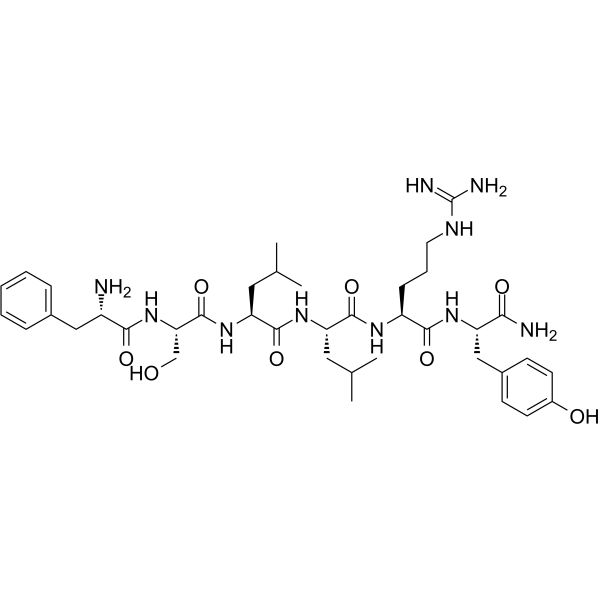 0 ImagesFSLLRY-NH2 is a protease-activated receptor 2 (PAR2) inhibitor.
-
SCH79797
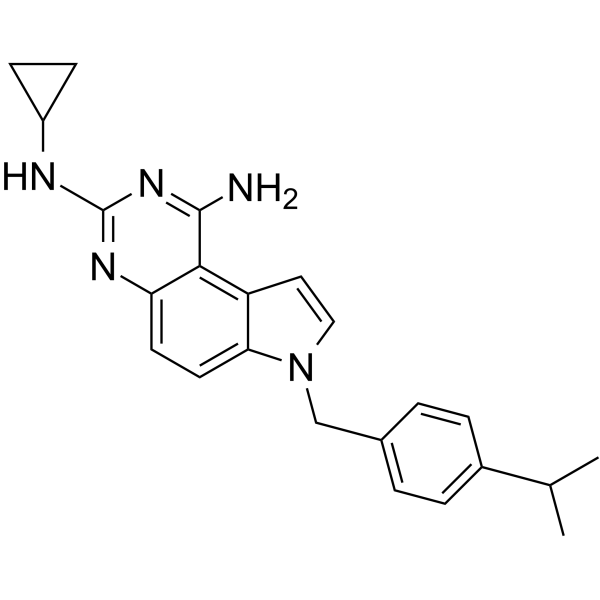 0 ImagesSCH79797 is a highly potent, selective nonpeptide protease activated receptor 1 (PAR1) antagonist. SCH79797 inhibits binding of a high-affinity thrombin receptor-activating peptide to PAR1 with an IC50 of 70 nM and a Ki of 35 nM. SCH79797 inhibits thrombin-induced platelet aggregation with an IC50 of 3 μM. SCH79797 has antiproliferative and pro-apoptotic effects, and limits myocardial ischemia/reperfusion injury in rat hearts. SCH79797 also potently prevents PAR1 activation in vascular smooth muscle cells, endothelial cells, and astrocytes.
-
Parmodulin 2
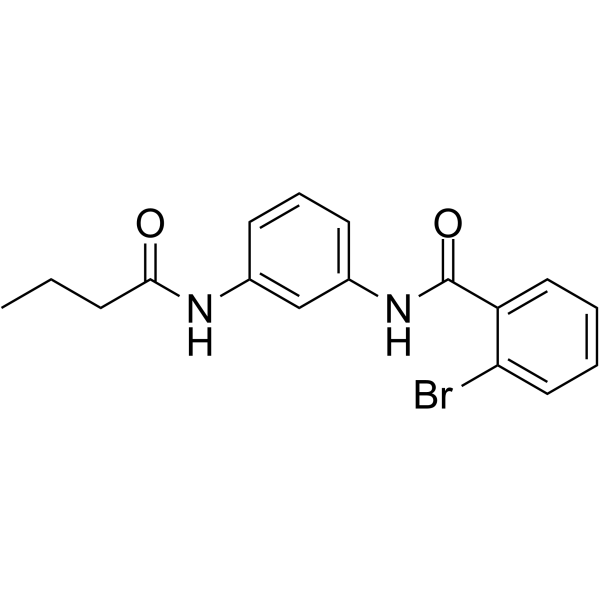 0 ImagesSynonyms: ML161Parmodulin 2 (ML161) is an allosteric inhibitor of protease-activated receptor 1 (PAR1) with an IC50 of 0.26 μM. Parmodulin 2 is a potent and non-competitive inhibitor of SFLLRN-induced P-selectin expression leading to inhibition of platelet aggregation in vitro and platelet thrombus formation in vivo.
-
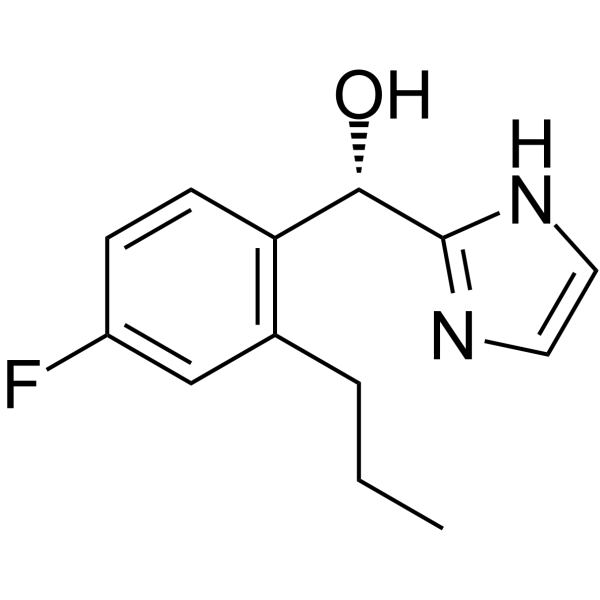
I-191
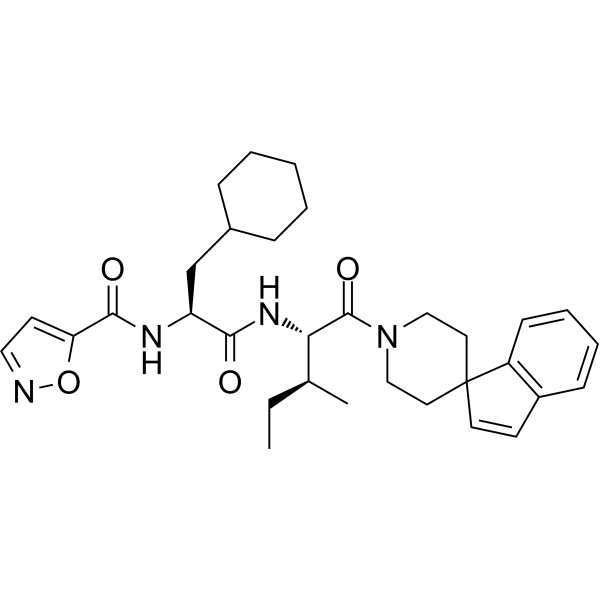
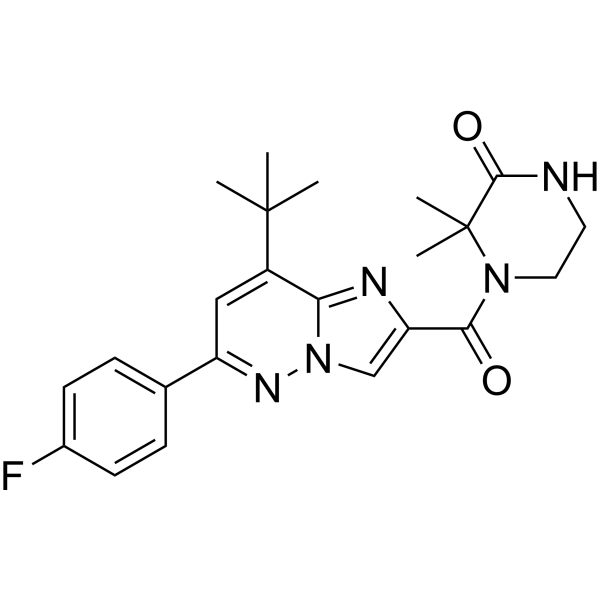 0 ImagesI-191 is a potent, selective protease-activated receptor 2 (PAR2) antagonist.